
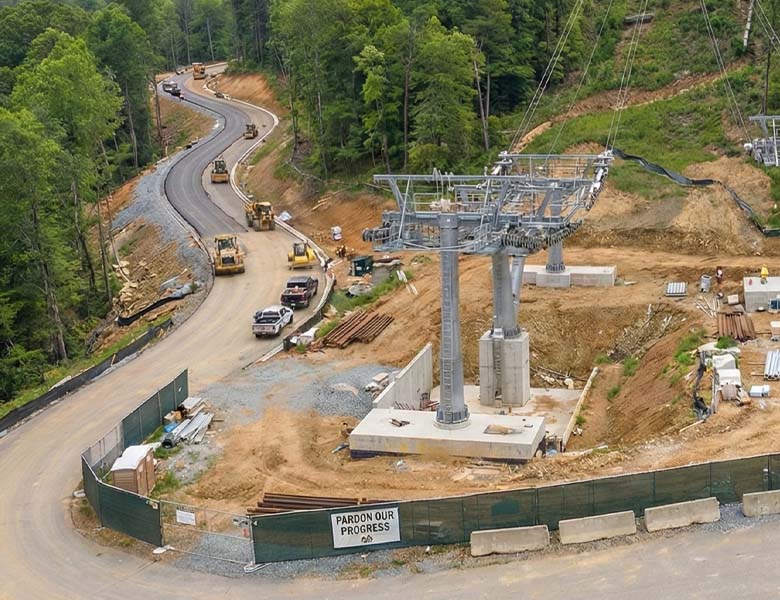
When a Destination Upgrades: The Hospitality Playbook for Construction Seasons & Big Openings
We’re used to seeing “Pardon Our Progress” signs inside hotels. But when an entire destination upgrades—roads, lifts...
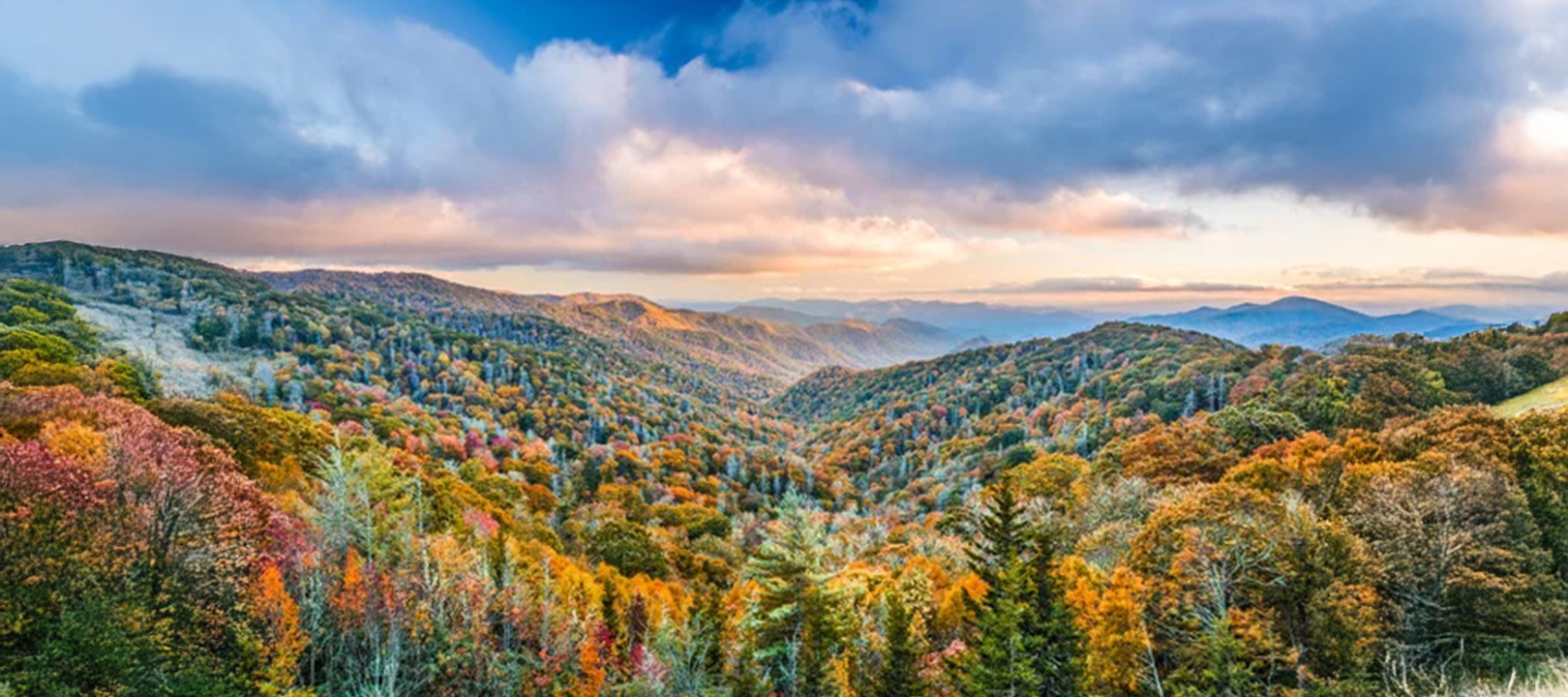
Long before it became America’s most-visited national park, the Smokies were a lived-in landscape shaped by Indigenous homelands, mountain communities, logging railroads, and a conservation movement powered by everyday people.
If you think of the Great Smoky Mountains only as scenery, you’re missing the most interesting part.
Long before the park had boundaries, trail maps, or visitor centers, the Smokies were a human landscape—walked, named, worked, and cared for across generations. The National Park Service notes that people have inhabited this area since prehistoric times, and the park today still holds hundreds of cultural touchpoints—from community sites to preserved structures and stories.
This is the deep timeline of the Smokies—not as a list of dates, but as a story of how a place becomes shared.
A lived-in landscape long before “vacation”
Long before modern roads, these mountains functioned as a kind of natural library: seasonal resources, familiar routes, and places remembered through story. Many of the park’s most iconic corridors began as footpaths and travel routes that predate the “park era” by centuries (and often much longer).
This matters because it reframes the Smokies from “beautiful wilderness” to something more accurate: a landscape with memory.
Cherokee homelands and enduring presence
By the time European explorers arrived, the Cherokee were established across a wide area of the Southern Appalachians, with culture rooted in hunting, trading, and agriculture, and communities often located in fertile valleys.
Even today, Cherokee history isn’t an “add-on” to the Smokies. It’s foundational context for understanding the region’s place names, cultural geography, and relationship to land.
And it connects directly to intercultural learning: the Smokies are not just where people visit, but where people have belonged.
Disruption and forced removal
Any honest Smokies timeline has a hard chapter.
The National Park Service documents the Indian Removal era and the Trail of Tears, including the forced removal of more than 16,000 Cherokee people beginning in 1838—an event that devastated communities and reshaped the region.For readers today—especially international readers—this is an important lesson in American history: many beloved landscapes carry both beauty and painful stories, and responsible travel includes learning both.
Mountain communities, work, and everyday survival
Through the 1800s and early 1900s, mountain families built lives around farms, mills, churches, and schools—communities that were practical, resilient, and deeply place-based. The park still contains many historic structures that reflect those lifeways, a reminder that the Smokies weren’t empty before they were protected.
This is the Smokies’ “human-scale” era—where hospitality didn’t mean tourism. It meant neighbors, mutual support, and making life work in steep terrain.
The logging era: rails, timber, and the making of modern access
The early 20th century brought a dramatic shift: industrial logging. In the Elkmont area, the National Park Service notes that large-scale logging introduced rail lines and a logging community—and later helped spark the development of resort communities like the Appalachian Club and Wonderland Hotel.
Elkmont is one of the most fascinating examples of the Smokies’ layered identity: it began as a logging center, became a vacation enclave, and later turned into a preservation question—what should be restored, what should return to forest, and how do we interpret the past honestly? A Tennessee State Museum feature captures Elkmont’s transformation into an iconic “ghost town” story, tying together industry, leisure, and preservation.
This part of the timeline reveals something modern visitors sometimes forget: the paths we use today—roads, grades, corridors—were often carved first for industry. Later, conservation reimagined them for public access and stewardship.
The park movement: a “citizens’ gift” powered by persistence
Great Smoky Mountains National Park didn’t start as “federal land.” It was assembled—painfully—through purchases, donations, and political effort. The NPS — history overview notes Congress authorized the park in 1926, and it was established in 1934—among the first national parks assembled from private lands through combined public and private funding.
The National Park Service also highlights key individuals in the movement, including Col. David Chapman, who played a leading role in pushing the park idea forward and overcoming obstacles around land acquisition and funding.
And one of the most pivotal support moments came through philanthropy: NPS — “Stories” notes the Laura Spelman Rockefeller Memorial Fund matched what had been raised and donated $5 million, helping ensure the remaining land could be purchased.
In other words: the Smokies became a national park because ordinary people and determined leaders believed the mountains should belong to the public—not just private industry.
Building the park: the CCC and the craft of conservation
Once the park existed on paper, it still needed trails, bridges, campgrounds, and infrastructure.
A National Park Service site on a CCC-built stone bridge notes that the Smokies had over 4,000 men living and working in 22 CCC camps (1933–1941), developing trails, planting trees, and building roads and campgrounds—work that still shapes how people experience the park today.
This is one of the most positive threads in the Smokies timeline: a national conservation effort that created jobs while rebuilding a damaged landscape.
Conservation today: more voices, more care, more story
The Smokies’ story didn’t end in 1934—it keeps evolving.
The park continues to widen the lens of what gets remembered. For example, NPS — notes that in 2018 it started the African American Experiences in the Smokies project to bring visibility to stories that have historically been overlooked.
Meanwhile, the Elkmont area page notes that cabins tied to the Appalachian Club are being preserved, and specific structures were rehabilitated for day use—an example of conservation that includes cultural resources, not just wildlife and views.
Why this matters for students and cultural exchange
If you’re a student building resume experience in hospitality—or someone drawn to intercultural exchange—the Smokies offer a powerful lesson:
Hospitality is not just service. It’s stewardship and interpretation.
Understanding the timeline of a place makes you better at welcoming people into it:
You learn why visitors care (and what they’re missing).
You understand the ethics of access and protection.
You can translate “a beautiful place” into a meaningful experience.
The Smokies aren’t only a destination. They’re a layered story—still being written.
We’re used to seeing “Pardon Our Progress” signs inside hotels. But when an entire destination upgrades—roads, lifts...
Long before it became America’s most-visited national park, the Smokies were a lived-in landscape—shaped by Indigenous...